
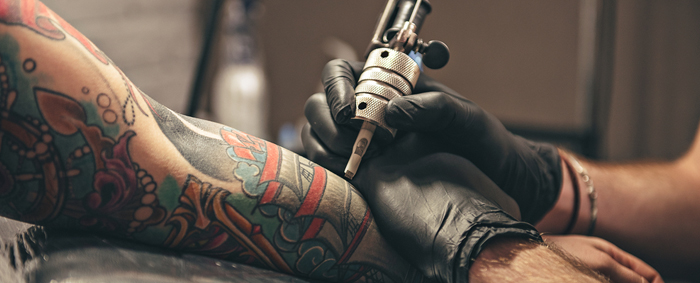
Tattoo Grips and Tubes Explained: Comfort, Hygiene, and Control
Ask an artist what causes hand pain at the end of a long day and they’ll often point at the machine. But just as often, the real culprit is the grip — that unassuming barrel your fingers wrap around for hours. The right grip can be the difference between flowing through a session and white-knuckling your way to the finish. It’s one of the most underrated pieces of gear in tattooing.
This guide breaks down grips and tubes: the types, the sizes, the materials, and how to choose the setup that keeps your hand happy and your lines clean.
Grips vs. Tubes: Clearing Up the Terms
The grip is the part you hold. The tube is the channel the needle passes through, ending in the tip that guides and supports the needle at the skin. In modern cartridge setups, the tube-and-tip function is largely built into the cartridge, and you pair it with a cartridge grip. In traditional setups, grip, tube, and tip are more distinct components.
If you’re choosing between those two systems, our cartridges vs. traditional needles guide is worth a read alongside this one.
Disposable vs. Reusable Grips
| Type | Pros | Cons |
|---|---|---|
| Disposable | Maximum hygiene, no sterilization burden, fast setup | Ongoing cost, more waste |
| Reusable | Durable, often premium feel, lower long-term cost | Requires proper sterilization between uses |
Many studios lean disposable for the hygiene simplicity, while some artists prefer the feel and economy of high-quality reusables they sterilize rigorously.
Grip Diameter Matters More Than You Think
Grip diameter dramatically affects comfort and control. Thicker grips fill the hand and can reduce cramping for many artists, while thinner grips offer a more precise, pen-like feel.
- Thin grips (around 22–25mm): Precise, lightweight, pen-like control.
- Medium grips: A balanced all-rounder for most work.
- Thick grips (30mm+): Reduce hand fatigue over long sessions.
There’s no universal best — it’s about your hand size and how you hold the machine.
Materials and Ergonomics
Grips come in plastics, silicone-wrapped designs, aluminum, and more. Cushioned or textured grips add comfort and reduce slippage, especially during long color-packing sessions. The goal is a secure, fatigue-free hold that never compromises your control.
Hygiene First, Always
Whatever you choose, hygiene is non-negotiable. Disposable grips are discarded after each client; reusable grips must be properly cleaned and sterilized following recognized standards. The CDC’s guidance on disinfection and sterilization is a helpful reference for building safe protocols.
Matching Grips to Your Work
Detailed liners and script often pair well with thinner, precise grips, while heavy shading and color packing can benefit from thicker, cushioned grips that fight fatigue. Many artists keep a small range on hand and switch based on the piece. You can stock grips, tubes, and tips through our tattoo supplies collection.
Frequently Asked Questions
What grip diameter should a beginner start with? A medium diameter is a safe, balanced starting point; adjust as you learn what your hand prefers.
Are disposable grips less precise than reusable ones? Not inherently — quality disposables perform excellently and remove sterilization risk.
Do thicker grips really reduce hand pain? For many artists, yes, because they reduce the gripping force needed to hold the machine steady.
Final Thoughts
A grip seems like a minor detail until your hand starts aching three hours into a session. Choose the diameter, material, and type that fit your hand and your hygiene standards, and you’ll protect both your comfort and your craft. Small choices like this are what keep a long career sustainable.



Add comment