
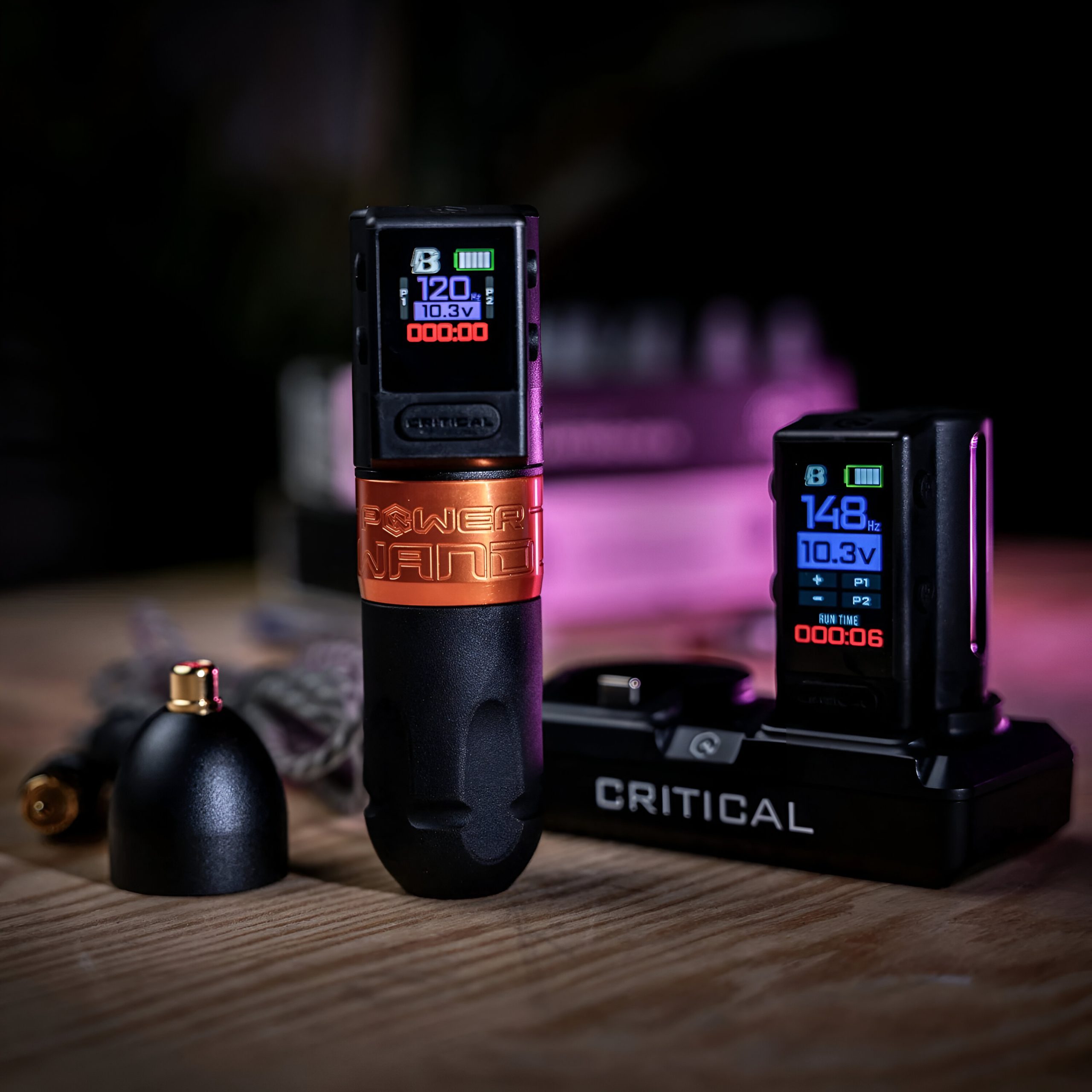
How to Maintain and Clean Your Tattoo Machine for a Longer Lifespan
Your tattoo machine is the one tool that never gets a day off. Session after session, it runs hot, takes vibration, and gets exposed to one of the messiest environments imaginable. And yet most artists only think about maintenance the moment something breaks — usually mid-session, with a client waiting. A few simple habits can save you that headache and add years to your gear.
Here’s a practical, no-nonsense maintenance routine that keeps your machine consistent, safe, and reliable.
Why Maintenance Is Non-Negotiable
A well-maintained machine performs predictably, and predictability is everything in tattooing. Neglect leads to inconsistent hits, premature wear, and — worst of all — hygiene risks. Maintenance isn’t busywork; it protects your work, your clients, and your investment.
The Daily Routine
After every client, before you ever think about the next one:
- Remove and dispose of single-use components in a sharps container.
- Strip down barriers — machine covers, clip cord sleeves, grip covers.
- Wipe the machine with an appropriate surface disinfectant, following the product’s contact time.
- Inspect the grip, cartridge fitting, and connections for wear or residue.
This is also the right moment to confirm your barrier and disposal practices line up with recognized hygiene standards — the OSHA bloodborne pathogens standard is a solid reference.
Weekly and Periodic Care
| Interval | Task |
|---|---|
| Weekly | Deep-inspect moving parts, check for play or unusual noise |
| Periodic | Lubricate per manufacturer guidance (rotary motors/cams) |
| Periodic | Check coil machine springs, contact screws, and armature |
| As needed | Replace worn O-rings, grommets, or drive components |
Always follow your specific machine’s manual — over-lubricating or using the wrong product can do more harm than good.
Coil vs. Rotary Maintenance
Coil machines have more tunable, mechanical parts — springs, contact screws, capacitors — so they reward regular inspection and adjustment. Rotary machines have fewer moving parts but benefit from occasional lubrication of the motor and cam. If you’re weighing the two systems, our rotary vs. coil guide breaks down the differences in depth.
Common Problems and Quick Fixes
- Inconsistent hit: Check your power supply and connections first; an unstable supply mimics a machine fault. Our power supply guide covers this.
- Unusual noise or vibration: Inspect for loose parts, worn grommets, or a tired motor.
- Cartridge wobble: Check the grip and membrane fit; replace worn components.
Don’t Forget the Supporting Gear
Maintenance extends beyond the machine itself. Clean, well-kept clip cords, foot pedals, and a stable power supply all contribute to consistent performance. You can find reliable replacements in our power supplies and accessories collection, and keep your machine library current via the tattoo machines collection.
Frequently Asked Questions
How often should I lubricate my rotary machine? Follow your manufacturer’s schedule — over-lubrication can attract debris and cause issues.
Can I share a machine between clients if I disinfect it? The machine body can be reused with proper barriers and disinfection, but all needle components must be single-use.
What’s the most overlooked maintenance task? Checking the power supply and cords — many “machine” problems actually start there.
Final Thoughts
Great maintenance is quiet, consistent, and almost boring — which is exactly why it works. Build a daily and weekly routine, respect your manufacturer’s guidance, and your machine will reward you with years of reliable, consistent performance. Treat your tools well, and they’ll let you focus on the art.



Add comment