
Tattoo Studio Lighting Guide: How to Light Your Workspace Properly
You can own the best machine, the finest needles, and a flawless stencil — and still produce shaky work under bad light. Lighting is the invisible variable that quietly decides how accurately you see what your hand is doing. Get it wrong and you fight shadows all day; get it right and the skin opens up like a clear canvas.
This guide covers how to light a tattoo studio for accuracy, comfort, and consistency.
Why Lighting Is More Important Than It Seems
Tattooing is precision work measured in millimeters. Poor lighting causes eye strain, hides subtle detail, and casts shadows from your own hand across the very area you’re working on. Great lighting reduces fatigue, improves accuracy, and helps you judge contrast and color correctly.
Key Qualities of Good Studio Lighting
- Brightness: Strong, even illumination over the work area.
- Adjustability: Positionable so you can eliminate your hand’s shadow from any angle.
- Color accuracy: Lighting that renders skin and ink colors truthfully, so what you see is what the client gets.
- Comfort: Light that doesn’t glare or strain your eyes over long sessions.
Types of Lighting to Consider
| Type | Best for |
|---|---|
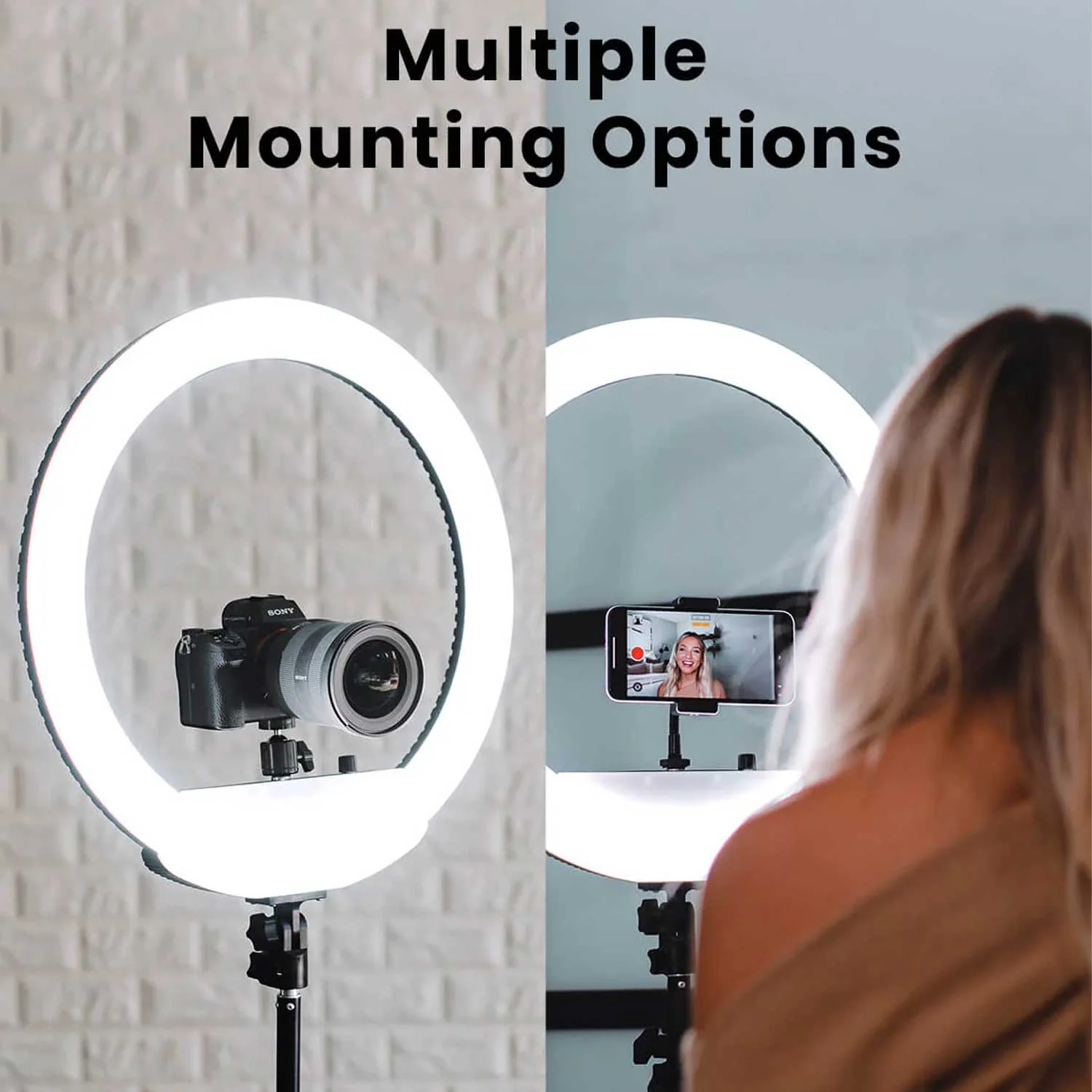
| Ring lights | Even, shadow-reducing illumination over the work area |
| Adjustable task/arm lamps | Targeted, repositionable light for detail work |
| Overhead ambient | General studio comfort and safe movement |
Many artists combine a focused task light with good ambient lighting for the best of both worlds.
Positioning: The Skill Most Artists Underrate
The best light in the world fails if it’s positioned poorly. Aim to light the work area from an angle that keeps your hand’s shadow off the skin, adjust as you move around the body, and avoid harsh glare bouncing off ointments or the skin. Plan to reposition your light throughout a session — it’s part of the workflow, not a set-and-forget setting.
Color Temperature and Accuracy
For color work especially, accurate color rendering matters. Lighting that distorts color can lead you to misjudge saturation and blends. Aim for clean, neutral light that shows skin and ink as they truly are. This ties directly into the demands of color versus black-and-gray work.
Lighting as Part of the Whole Studio
Lighting works alongside your furniture, workstation, and overall ergonomics. Position your light relative to your client bed and artist chair so your posture and sightline stay comfortable — a principle covered in our full studio equipment checklist. You can find ring lights and studio lighting in our tattoo furniture collection.
Frequently Asked Questions
Is a ring light enough on its own? Often it’s a great primary light, but pairing it with good ambient lighting improves overall comfort and safety.
How do I stop my hand from casting shadows? Reposition your light to a different angle and adjust as you move around the body.
Does lighting affect color work? Yes — accurate, neutral light helps you judge saturation and blends correctly.
Final Thoughts
Lighting is the quiet partner to every clean line you pull. Invest in bright, adjustable, color-accurate light, learn to position it actively, and you’ll see — literally — the difference in your work. It’s one of the highest-return upgrades a studio can make.





Add comment