
An Introduction to Permanent Makeup: What Artists and Clients Should Know
Permanent makeup has quietly become one of the fastest-growing corners of the beauty and tattoo world. The promise is appealing: wake up with defined brows, softly tinted lips, or subtle eyeliner that never smudges. But behind that convenience lies a genuine skill set, real safety considerations, and a craft distinct from traditional tattooing. Whether you’re an artist exploring PMU or a client curious about it, understanding the fundamentals matters.
This guide introduces permanent makeup — what it is, how it works, and what to know before getting or offering it.
What Is Permanent Makeup?
Permanent makeup, often called PMU or cosmetic tattooing, is the art of depositing pigment into the skin to enhance or simulate makeup. Unlike traditional tattoos, PMU typically uses softer techniques and pigments designed to fade more gradually, producing natural-looking, semi-permanent results that complement a person’s features.
Common PMU Procedures
| Procedure | What it enhances |
|---|---|
| Microblading / brow PMU | Fuller, defined eyebrows |
| Lip blush / tint | Soft lip color and definition |
| Eyeliner enhancement | Subtle lash-line definition |
| Scalp micropigmentation | Appearance of fuller hair |
Each procedure has its own techniques, tools, and learning curve, and specialization is common.
How PMU Differs From Traditional Tattooing
While both deposit pigment into the skin, PMU and traditional tattooing differ in several ways. PMU generally aims for softer, more natural results, uses specialized pigments formulated to fade gradually, and often involves different machines and needle configurations. It also tends to require periodic touch-ups to maintain, since the results are semi-permanent by design. The precision and the proximity to features like eyes and lips demand particular care and training.
The Importance of Specialized Training
PMU is not something to improvise into. Working near the eyes and on delicate facial skin, color theory for natural results, and the specific techniques of each procedure all require dedicated, hands-on training from qualified educators. A traditional tattoo background helps, but PMU is its own discipline with its own standards.
Safety and Hygiene Come First
Because PMU breaks the skin, the same rigorous hygiene standards as tattooing apply — sterile, single-use needles, proper barriers, and strict cross-contamination prevention. The principles in the CDC’s infection-control guidance underpin safe practice. Regulations for PMU also vary by location, so practitioners must verify and follow local requirements, much like tattoo licensing.
Pigments and Equipment
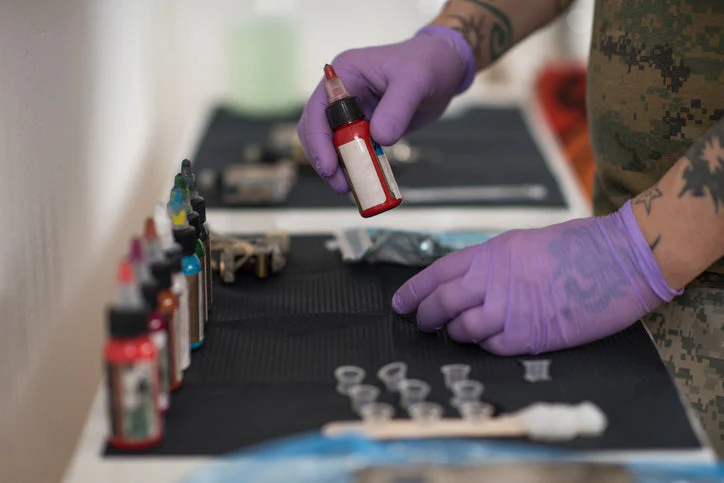
PMU uses specialized pigments and tools distinct from standard tattoo gear. PMU machines and cartridges are designed for the precision and gentleness these procedures require. Quality, reputable equipment and pigments are essential — both for results and for client safety. You can explore relevant supplies across our store.
What Clients Should Consider
For clients, PMU is a meaningful decision. Key considerations include choosing a properly trained, reputable practitioner, understanding that results are semi-permanent and need touch-ups, following pre- and post-care instructions carefully, and having realistic expectations about healing and final appearance. A thorough consultation is essential — much like the expectation-setting that good tattooing requires.
Aftercare for PMU
PMU has its own aftercare needs, which differ somewhat from body tattoos and are critical to good healing and color retention. We cover this in our dedicated guide on PMU aftercare essentials (in this series). As always, following the practitioner’s specific instructions is paramount.
Frequently Asked Questions
Is permanent makeup actually permanent? It’s generally semi-permanent — designed to fade gradually over time and require periodic touch-ups.
Does PMU hurt? Sensation varies by procedure and individual; practitioners take steps to keep clients comfortable.
Can a traditional tattoo artist do PMU? Not without dedicated PMU training — it’s a distinct discipline requiring specialized skills and tools.
Is PMU safe? When performed by a trained practitioner following strict hygiene and using quality equipment, it follows the same safety foundations as tattooing.
Final Thoughts
Permanent makeup blends artistry, precision, and beauty into a discipline all its own. Whether you’re an artist considering adding it to your skill set or a client exploring the possibilities, the keys are the same: proper training, rigorous hygiene, quality equipment, and realistic expectations. Approached with care and professionalism, PMU can deliver beautiful, confidence-boosting results.




Add comment