
Color Packing Techniques: How to Achieve Solid, Vibrant Tattoo Color
Solid, saturated color is one of the most satisfying things to see in a healed tattoo — and one of the most difficult to achieve. Pack too lightly and the color heals patchy and faded; push too hard chasing saturation and you traumatize the skin, causing blowouts and poor healing. Great color packing lives in that narrow band between bold and brutal, and finding it is a skill worth developing carefully.
This guide covers how to lay down vibrant, even color while keeping the skin healthy.
The Color Packing Challenge
Color packing means depositing pigment densely and evenly across an area so it heals as solid, vivid color. The challenge is doing it without over-working the skin. Saturation and skin health pull in opposite directions, so the art is achieving full color with the least trauma possible.
Choosing the Right Needle
Coverage and density are the goals, which points to magnums.
- Double-stack magnums (M2): Dense pigment deposit for solid, saturated color.
- Larger groupings: Cover bigger areas efficiently for broad color fields.
- Curved magnums (RM): Help blend edges and avoid hard borders between colors.
See our needle groupings guide for the full breakdown.
The Layering Approach
The secret to solid color without trauma is layering. Rather than forcing full saturation in one aggressive pass, build the color in controlled layers, allowing the skin to take the pigment evenly. Many artists pack in overlapping passes, working methodically across the area so no spot is over- or under-worked.
| Do | Don’t |
|---|---|
| Build color in even layers | Force saturation in one pass |
| Overlap passes consistently | Leave gaps between passes |
| Keep a steady, light hand | Press hard to “drive” color in |
| Watch the skin’s response | Ignore over-working/trauma |
Reading the Skin
Healthy skin takes color well; traumatized skin rejects it. As you work, watch how the skin responds — excessive redness, swelling, or weeping signals you’re pushing too hard. Over-worked skin not only heals poorly but often holds less color, the opposite of what you wanted. Learning to read these signs is central to good packing.
Saturation Without Blowouts
Blowouts — pigment spreading beneath the surface into a hazy blur — come from going too deep or working loose skin. To avoid them: stretch the skin taut, maintain consistent depth, and resist the temptation to dig for color. If a spot won’t saturate, it’s often better to revisit it gently than to hammer it.
Working With Multiple Colors
When packing several colors together, plan your transitions. Pack lighter colors before darker ones where possible to avoid muddying, blend borders with curved magnums, and keep your equipment clean between colors. Smooth color-to-color transitions are what make multicolor pieces look cohesive rather than blocky.
The Equipment Connection
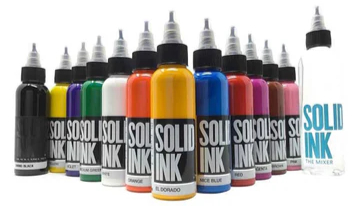
Consistent color packing demands a machine and power supply that deliver steady performance over long sessions. A reliable setup paired with a stable power supply prevents the inconsistent hits that cause patchy color. Quality pigment matters just as much — explore options in our tattoo ink supplies collection.
Practice and Patience
Color packing rewards patience over force. Practice solid fills on synthetic skin, focusing on even saturation without over-working. Pay attention to how layering builds density, and record the settings and techniques that produce clean, solid results.
Frequently Asked Questions
Why does my color heal patchy? Often from uneven passes, under-saturation, or over-working areas. Build color in even, overlapping layers.
How do I avoid blowouts when packing? Stretch the skin, keep consistent depth, and don’t dig for saturation.
Should I pack light or dark colors first? Generally lighter colors first, to avoid muddying them with darker pigment.
Can over-working really reduce color retention? Yes — traumatized skin heals poorly and often holds less pigment, not more.
Final Thoughts
Solid, vibrant color is the payoff of patience and control, not brute force. Choose the right magnums, build color in even layers, read the skin’s response, and protect against blowouts. Respect the skin while you saturate it, and your color work will heal bold, even, and brilliant — exactly as you intended.


Add comment