

Budgeting for Tattoo Supplies: A Smart Buying Guide for New Artists
Every new artist faces the same uncomfortable math: a long list of must-have gear and a budget that won’t stretch to cover it all at once. Spend too little and you risk unreliable tools; spend recklessly and you’re broke before your first paying client. The skill isn’t spending more — it’s spending smart, knowing exactly where quality matters and where you can wait.
This guide helps you build a professional kit without draining your savings or cutting dangerous corners.
The Golden Rule: Never Compromise on Safety Items
Some things are simply not negotiable. Needles, ink, gloves, barriers, and disposables touch your client’s skin and safety. These are the last place to bargain-hunt. Counterfeit or substandard safety gear is a false economy that can cost you everything — a point we explore in our guide on spotting counterfeit supplies.
Tier Your Spending
| Priority | Category | Approach |
|---|---|---|
| 1 — Essential | Needles, ink, gloves, barriers, sharps disposal | Quality first, never compromise |
| 2 — Core tools | Machine, power supply, grips | Buy reliable mid-range, upgrade later |
| 3 — Comfort/setup | Furniture, lighting, workstation | Start functional, improve over time |
| 4 — Nice-to-have | Extra colors, specialty gear | Add as your work and income grow |
Buy Once, Cry Once — Where It Applies
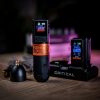
For durable tools like your machine and power supply, a reliable mid-range purchase often beats repeatedly replacing cheap gear that fails. A dependable power supply and a solid machine are worth investing in early because they directly affect the consistency of your work.
Where You Can Reasonably Save
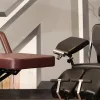
- Furniture: Start with functional, durable pieces and upgrade as income grows. See our guide to choosing a client bed and chair.
- Ink palette: Begin with a lean, cohesive set rather than every color — our beginner ink set guide shows how.
- Specialty gear: Add only when a real need appears.
Avoiding False Economy
The cheapest option often costs more over time through failures, replacements, and lost client trust. Factor in durability and reliability, not just sticker price. A slightly pricier item that lasts years and performs consistently is usually the better deal.
Build a Restocking Plan
Budgeting isn’t just the initial buy — it’s ongoing. Track your consumption of consumables and plan restocks before you run out, as outlined in our guide on building a reliable supply chain. Buying essentials together from one trusted source can also simplify ordering and help your budget. Explore the full range in our online store.
Frequently Asked Questions
What should I buy first on a tight budget? Safety essentials (needles, ink, gloves, barriers) and one reliable machine and power supply. Build out comfort and extras later.
Is it okay to buy a cheaper machine to start? A reliable mid-range machine is usually wiser than the cheapest option, which may fail and cost more over time.
How do I avoid overspending early? Tier your purchases, start with a lean ink palette, and add specialty gear only as real needs arise.
Final Thoughts
Smart budgeting isn’t about being cheap — it’s about putting your money where it matters most. Protect safety without compromise, invest in reliable core tools, and let comfort and extras grow with your career. Spend with intention, and a modest budget can still build a genuinely professional kit.



Add comment