
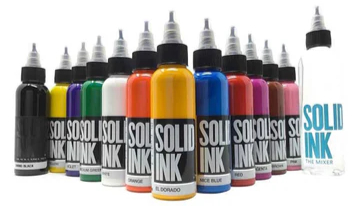
Tattoo Ink Storage and Shelf Life: Keeping Your Pigments Safe
You invested in quality ink — now don’t let poor storage quietly ruin it. Tattoo ink is a living risk if it’s mishandled: contamination, separation, and degradation all happen out of sight, inside the bottle, long before you notice a problem on the skin. Good storage habits protect your clients, your results, and your wallet.
This guide covers how to store ink properly, read expiration dates, and avoid the contamination mistakes that catch even experienced artists.
Why Storage Matters So Much
Ink is a suspension of pigment in a carrier solution, and that suspension is sensitive to heat, light, and contamination. Stored badly, ink can separate, degrade, or harbor bacteria — none of which belongs anywhere near a client’s skin. Treating storage seriously is part of being a responsible professional.
The Core Storage Rules
- Cool and dark: Store inks away from direct sunlight and heat, which accelerate degradation.
- Sealed tight: Keep caps fully closed to prevent contamination and evaporation.
- Upright and organized: Reduces leaks and makes rotation easier.
- Away from contamination: Never store ink in your immediate working/splash zone.
Understanding Expiration Dates
Reputable inks carry an expiration date, and it exists for a reason. Expired ink may have degraded pigment, altered consistency, or compromised safety. Always check dates before use, rotate stock so older bottles get used first, and never use ink past its expiration. When in doubt, throw it out — it’s never worth the risk.
Preventing Cross-Contamination
This is where many problems begin. Build these habits into every session:
- Pour ink into single-use cups — never dip your needle directly into the bottle.
- Never return unused ink from a cup back into the bottle.
- Use a clean, gloved process every time you handle bottles.
- Discard leftover ink in cups after each client.
These practices align with broader infection-control principles; the CDC’s disinfection and sterilization guidance is a helpful reference for your overall hygiene protocols.
Storage Quick Reference
| Factor | Best practice |
|---|---|
| Temperature | Cool, stable, room-controlled |
| Light | Dark storage, away from sun |
| Sealing | Caps fully closed |
| Rotation | First in, first out |
| Expiration | Check every time, never exceed |
Choosing Inks Built to Last
Storage starts with buying quality ink from reputable sources that label ingredients and expiration clearly. Well-made pigments stay stable and perform predictably when stored correctly. Explore dependable options in our tattoo ink supplies collection, and see our guide to ink safety and longevity for the bigger picture.
Frequently Asked Questions
Can I use ink past its expiration date if it looks fine? No — expiration relates to safety and stability that aren’t always visible. Discard expired ink.
Should tattoo ink be refrigerated? Follow the manufacturer’s guidance; most inks simply need cool, stable, dark storage rather than refrigeration.
Why can’t I pour unused ink back into the bottle? It risks contaminating the entire bottle, endangering future clients.
Final Thoughts
Ink storage is invisible work that pays off in safety and consistency. Keep your pigments cool, sealed, and rotated, respect expiration dates, and never compromise on cross-contamination. Small disciplines like these are the quiet backbone of a safe, professional studio.




Add comment