
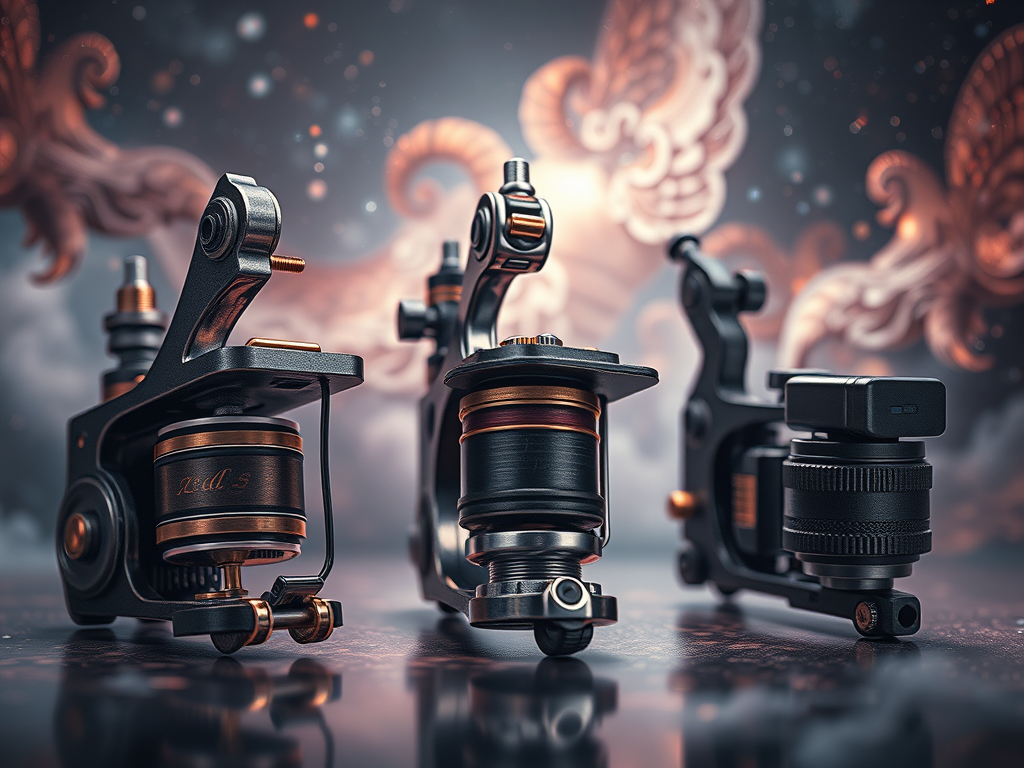
Best Tattoo Machines: Coil, Rotary & Wireless
The Ultimate Guide for Artists
The tattoo machine is the centerpiece of every artist’s toolkit—a tool that directly influences your comfort, your results, and your reputation. With technology marching forward, coil, rotary, and wireless machines each bring their own strengths to the creative process. Whether you’re just starting your journey, looking to upgrade, or fine-tuning your arsenal, understanding how to choose and maximize your tattoo machines is a cornerstone of professional success.
What is a Tattoo Machine?
A tattoo machine is a handheld, electrically powered device that deposits pigment into the dermal layer of the skin. Beyond its essential purpose, the right machine helps express your unique artistic style. There are three primary types—each with its unique mechanics and advantages: coil, rotary, and wireless.
Understanding Coil Tattoo Machines
Coil tattoo machines are the original workhorses of the industry. Powered by electromagnetic coils, these machines drive an armature bar up and down in rapid motion. What makes coil machines special is their customizability—artists can fine-tune the machine by adjusting spring tension, coils, and contact screws for ideal lining or shading.
- Pros: Powerful hits, superb for bold lines and deep shading, tactile feedback, easy to modify.
- Cons: Heavier, can cause more hand fatigue, require ongoing tuning and maintenance, create that signature “buzz.”
Many veteran artists love coil machines for their reliability and the personal connection they feel with every adjustment. This type is also often seen as a rite of passage in the journey to mastering tattooing.
Exploring Rotary Tattoo Machines
Rotary machines use a motor to smoothly move the needle in a consistent elliptical motion. They are notable for being lightweight, quiet, and suitable for virtually any tattooing task—lining, shading, or color packing.
- Pros: Minimal vibration, lighter build, simple upkeep, exceptionally versatile, beginner-friendly.
- Cons: Less response customization, some artist prefer more tactile feedback.
Because they’re virtually plug-and-play, rotary machines are experiencing a surge among new-school artists, traveling professionals, and those seeking ergonomic benefits for long sessions.
The Rise of Wireless Tattoo Machines
Wireless tattoo machines represent the evolution of flexibility and convenience. Powered by onboard batteries, these models eliminate the need for cords and power supplies, letting you set up quickly and work anywhere.
- Pros: Cord-free, travel-ready, digital controls, often with adjustable voltage.
- Cons: Battery charging and management, slightly heavier due to battery pack, higher initial investment.
Wireless models are ideal for artists on the go, those sharing workstations, and anyone seeking the freedom to work without limits. Top brands are focusing on improving battery life and reducing weight, making them more accessible to all professionals.
Key Considerations When Choosing Your Tattoo Machine
Ergonomics & Comfort
You’ll spend hours with your machine—it should feel like a natural extension of your hand. Seek out machines with a balanced weight distribution, comfortable grip, and materials that minimize fatigue.
Needle Compatibility
Whether you use traditional needles and tubes or modern cartridges, verify compatibility before making a purchase. Many artists opt for cartridge-ready rotary or wireless machines for the fastest setup and swap.
Maintenance & Reliability
Are you comfortable with tuning and repairs? If yes, a coil machine may suit you. If not, consider rotary or wireless machines, which require less frequent maintenance.
Budget & Brand
Evaluate your budget against your career stage and tattooing style. Top brands like Cheyenne, Bishop, FK Irons, and Inkjecta stand out for performance and durability across all three machine types and accessories.
Professional Tips for Getting the Best From Your Machine
- Clean and disinfect your machine after every session to ensure hygiene and longevity.
- Test voltage settings and needle depths on practice skin to perfect your technique before tattooing real clients.
- If you’re investing in your first machine, choose a reputable supplier, and don’t be afraid to ask for trial demos or recommendations from experienced artists.
- Regularly calibrate your machine to prevent inconsistent lines, ink flow issues, or excessive trauma to the skin.
Frequently Asked Questions
Which tattoo machine is best for beginners?
Rotary machines are generally regarded as the best entry point because they’re user-friendly, adaptable, and low-maintenance. However, some artists prefer to learn on coils for a deeper technical understanding.
How often should I maintain my tattoo machine?
After every session, conduct a basic cleaning with detailed maintenance performed weekly or as needed, especially for coil machines.
Are wireless tattoo machines worth it?
Yes—wireless machines provide significant freedom and efficiency, especially for busy professionals, mobile artists, or those seeking a tidier work environment.
Can one artist use all three machine types?
Absolutely. Many professionals have a preferred machine for lining, another for shading, and a wireless unit for travel or conventions.
Conclusion
Your tattoo machine is a direct investment in your art and your client’s experience. Understanding the differences, strengths, and best uses for coil, rotary, and wireless models equips you for any creative challenge. As equipment evolves, never stop learning and experimenting. Visit PremiumTattooGear.com to explore the latest machines, read in-depth reviews, and find support for building your professional tattoo kit.



Add comment